01
BAMBOO
Material, structure and making
Learn bamboo selection and treatment, structural joinery, architectural design, scale modelling and hands-on construction.
Orin Hardy · Luis Echeverria · Bamboo U carpenters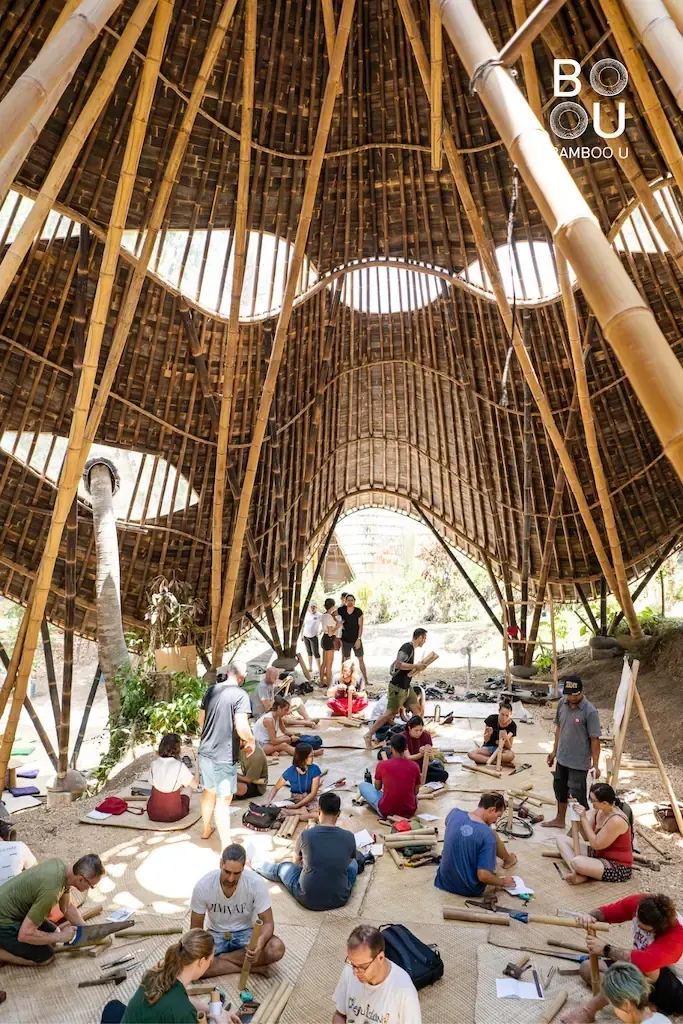 Bamboo U carpentry workshop, Bali


Bamboo U's first course in Costa Rica.
We are taking Bamboo U's hands-on approach to bamboo design and construction into a new landscape.
Learn from Tierramor's living systems. Build alongside people who are restoring, growing and making this place their home.
Eight days of hands-on construction with bamboo and earth, as well as agroforestry and food. All rooted in the one place.
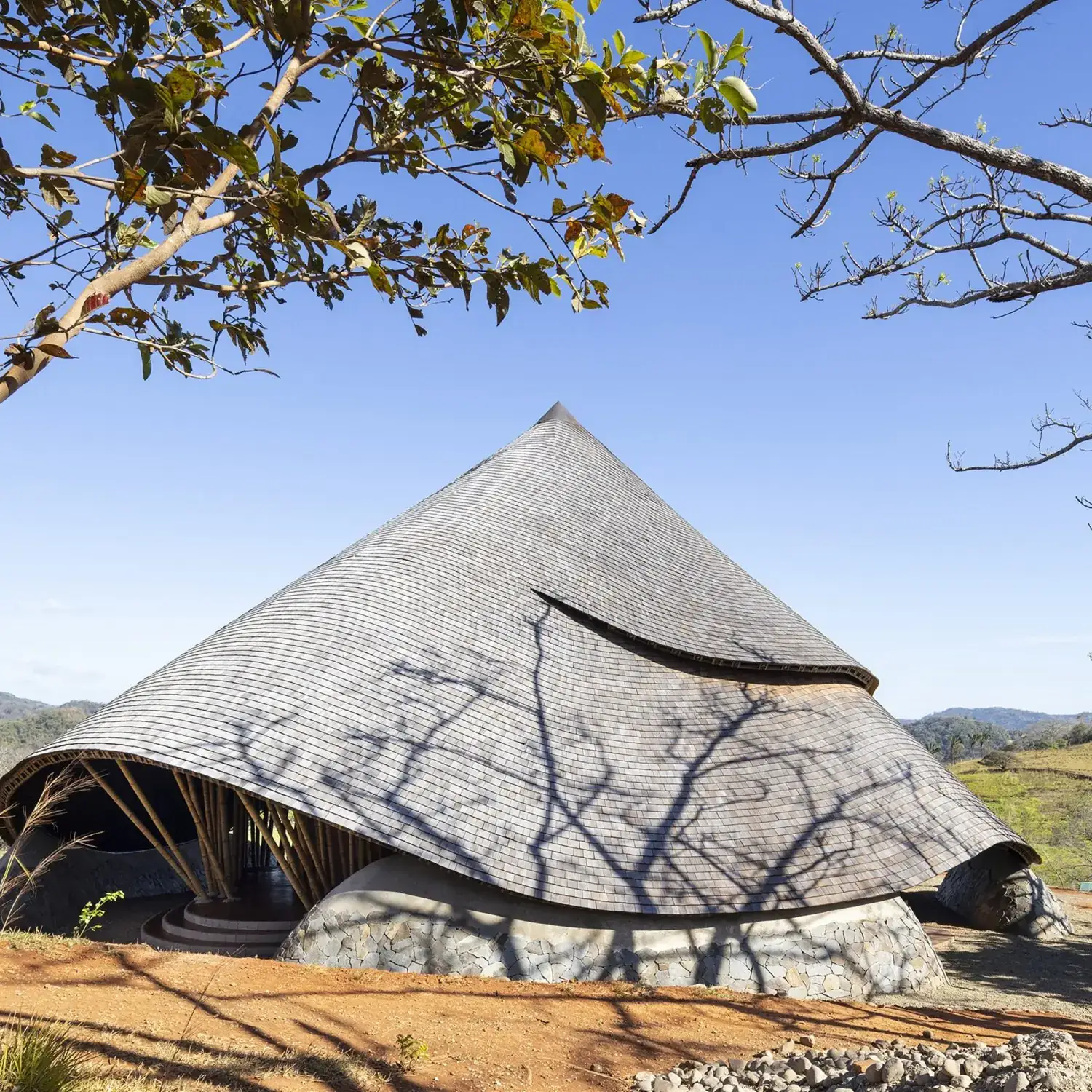 The IBUKU designed maloca, Tierramor, Nosara
Before you design a structure, understand the material.
Before you build on the land, understand the place.
At Bamboo U, we've spent years learning what bamboo can do: from propagation and treatment, to joinery, structural systems and full-scale construction.
At Tierramor, learning is based around working with the land: growing food, restoring soil, managing water, building with natural materials and understanding how each system supports another.
Now, those two ways of learning come together.
Eight days in Nosara to explore what happens when material knowledge meets a living landscape.
Learn from the land.
Build for the place.
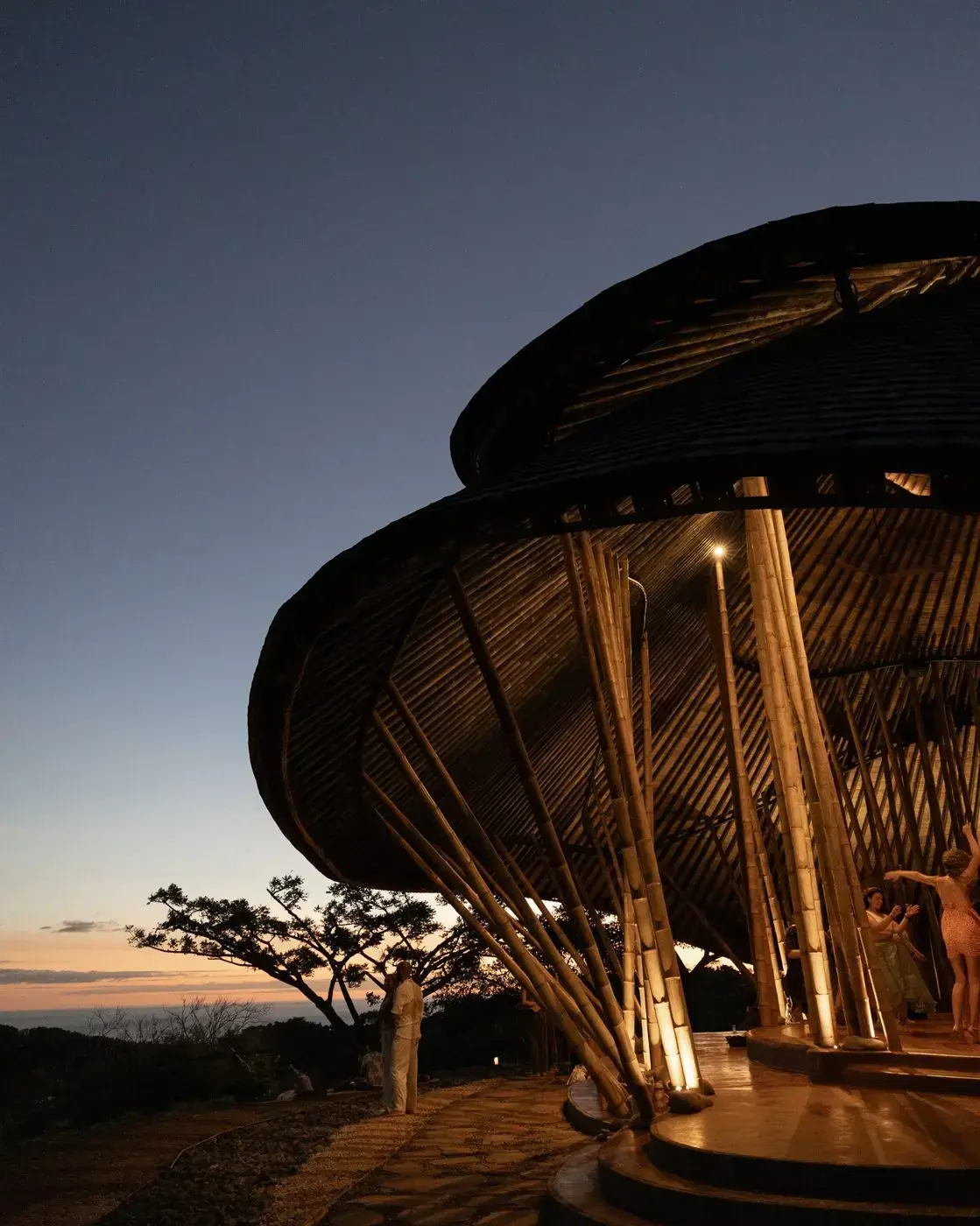 The maloca at dusk, Tierramor, Nosara
Bringing the Bamboo U approach to Costa Rica.
Bamboo U was born in Bali.
Over years of teaching, building and researching bamboo, we've developed a way of learning that starts with the material itself:
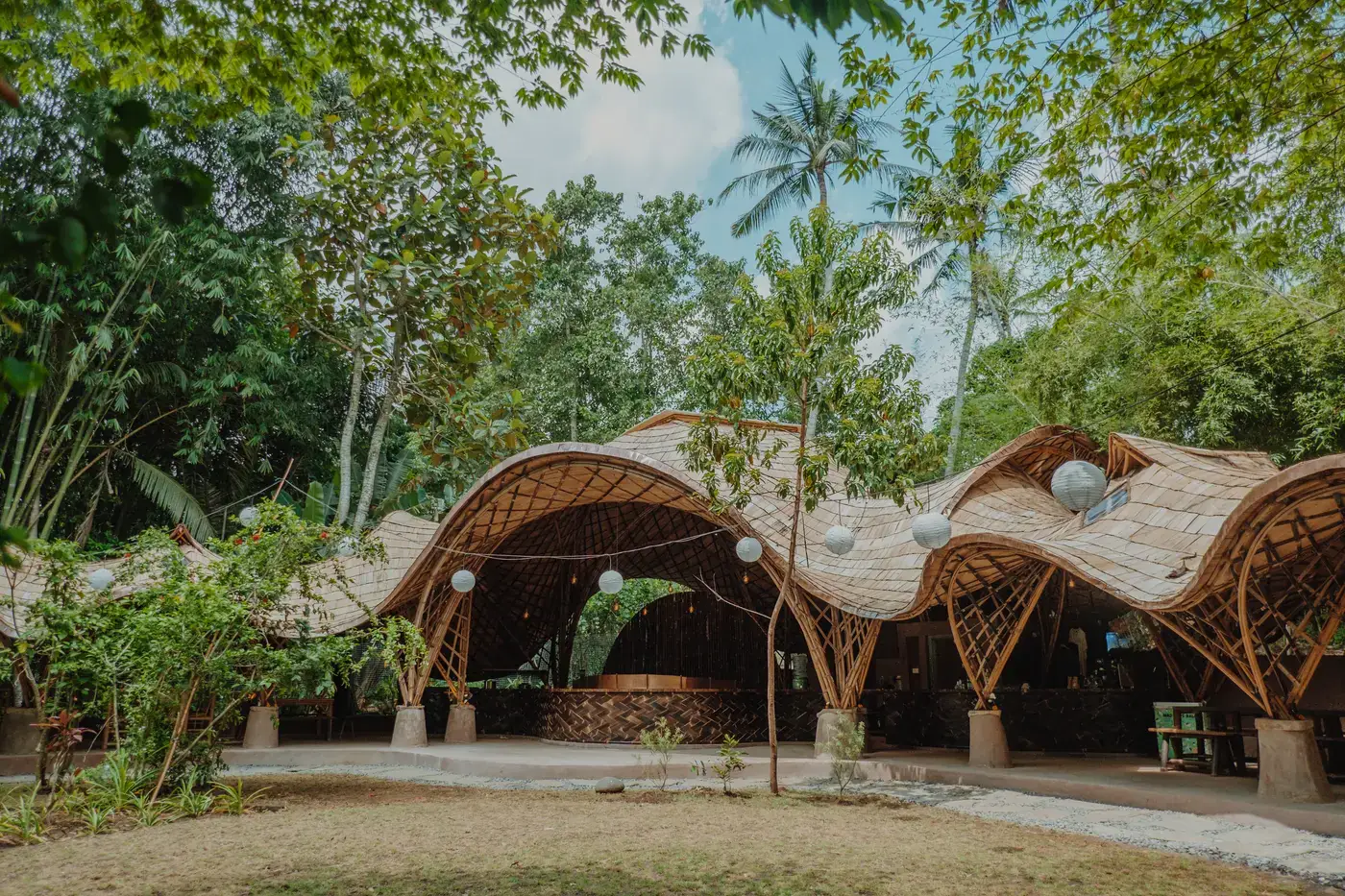 Bali: Bamboo U campus, The Kul Kul Farm
By taking Bamboo U to Costa Rica we want to discover with you what changes when the material, climate and landscape change.
In Bali, Bamboo U primarily builds with Dendrocalamus asper. At Tierramor, you'll work with Guadua, a bamboo deeply rooted in the Latin American context.
Different species with different conditions and different questions.
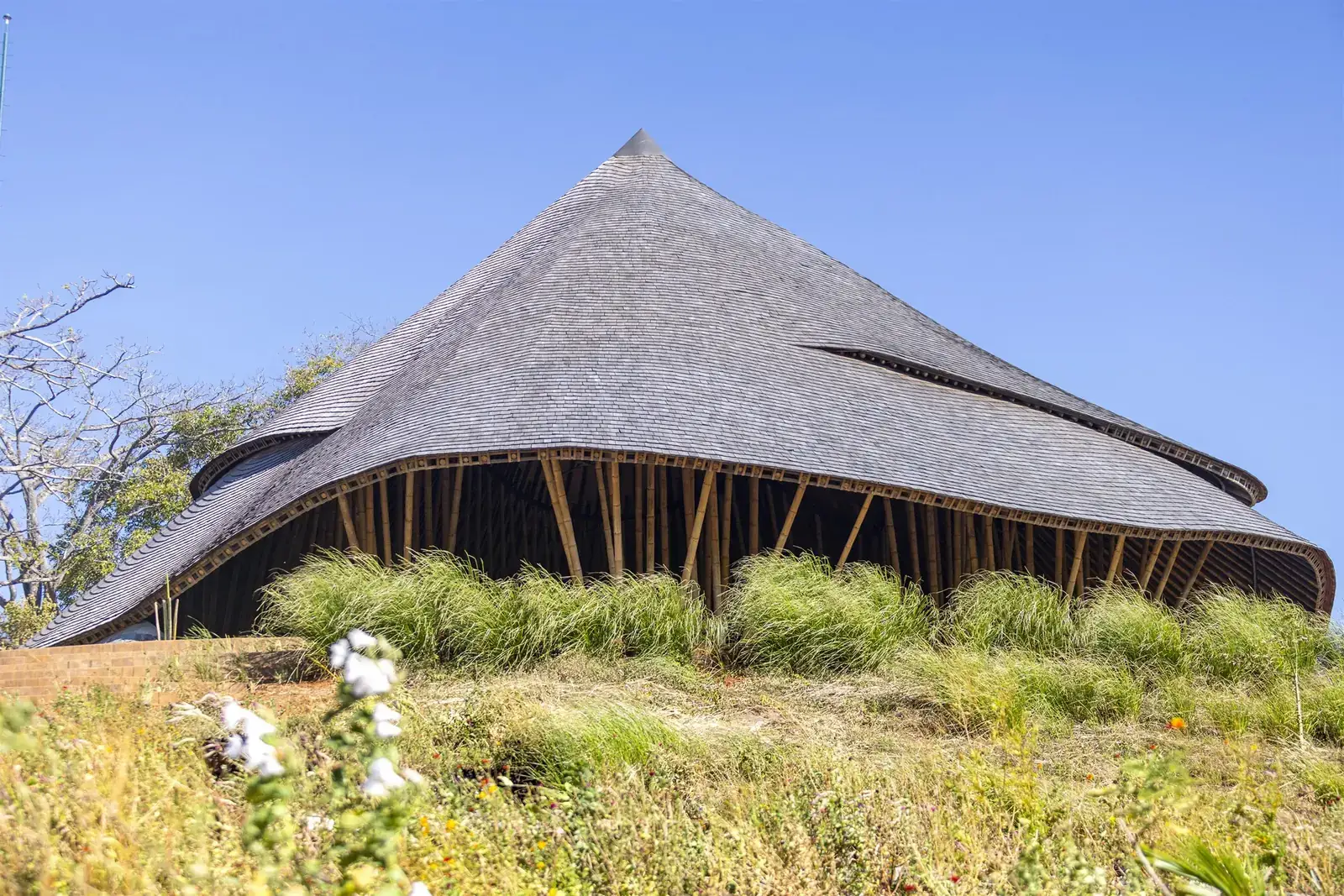 Costa Rica: the maloca at Tierramor
The landscape of Tierramor will be our classroom.
Here, architecture exists alongside food production, agroforestry, natural building, biological systems and community. The program brings these perspectives together through six interconnected modules.
Learn bamboo selection and treatment, structural joinery, architectural design, scale modelling and hands-on construction.
Orin Hardy · Luis Echeverria · Bamboo U carpentersBamboo U carpentry workshop, BaliExplore Tierramor as an integrated living system: architecture, water, food production, natural building and community.
Tierramor team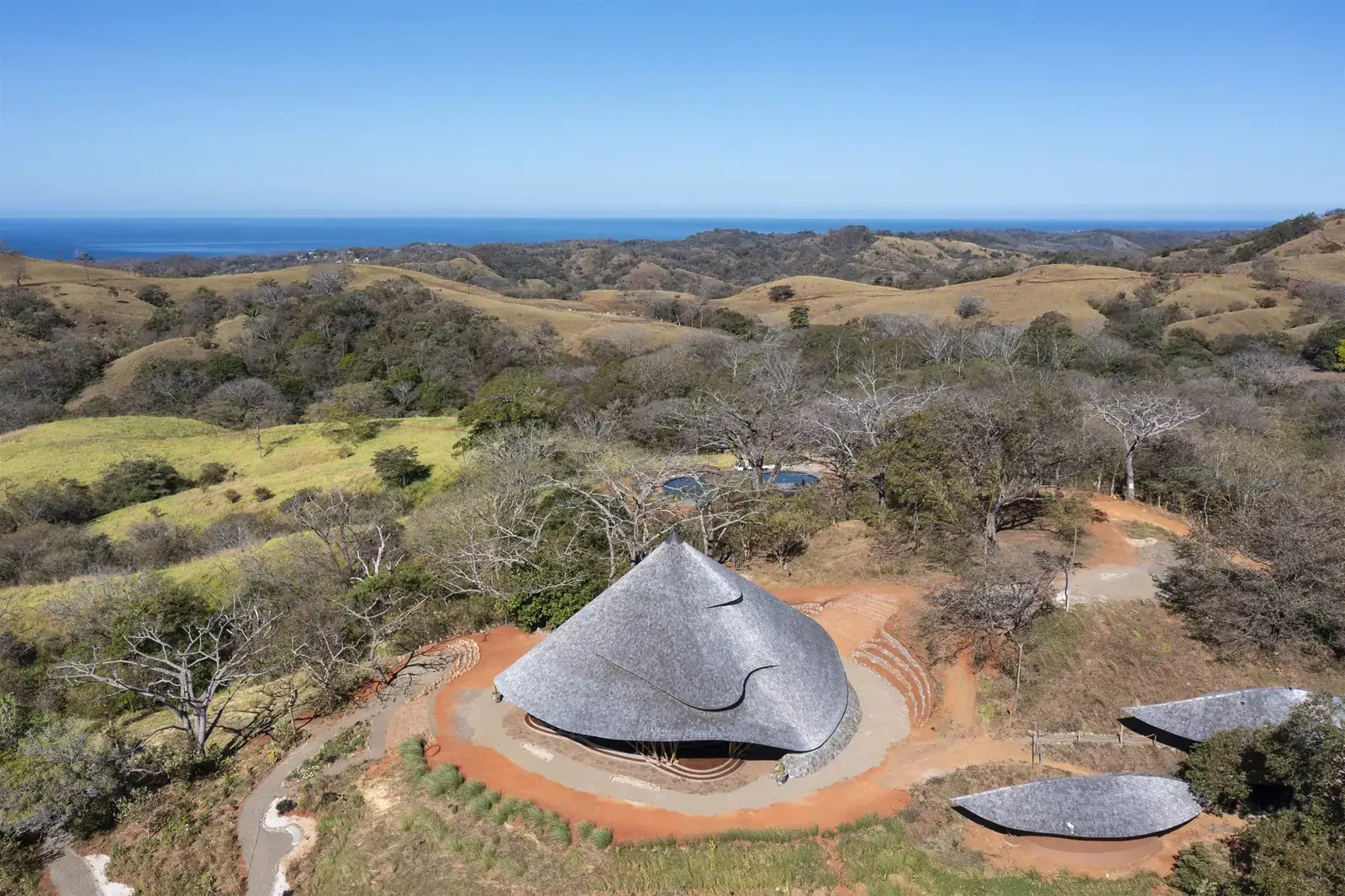 Tierramor from above
Explore bokashi, biochar and soil activation, transforming organic waste into resources for productive land.
Javi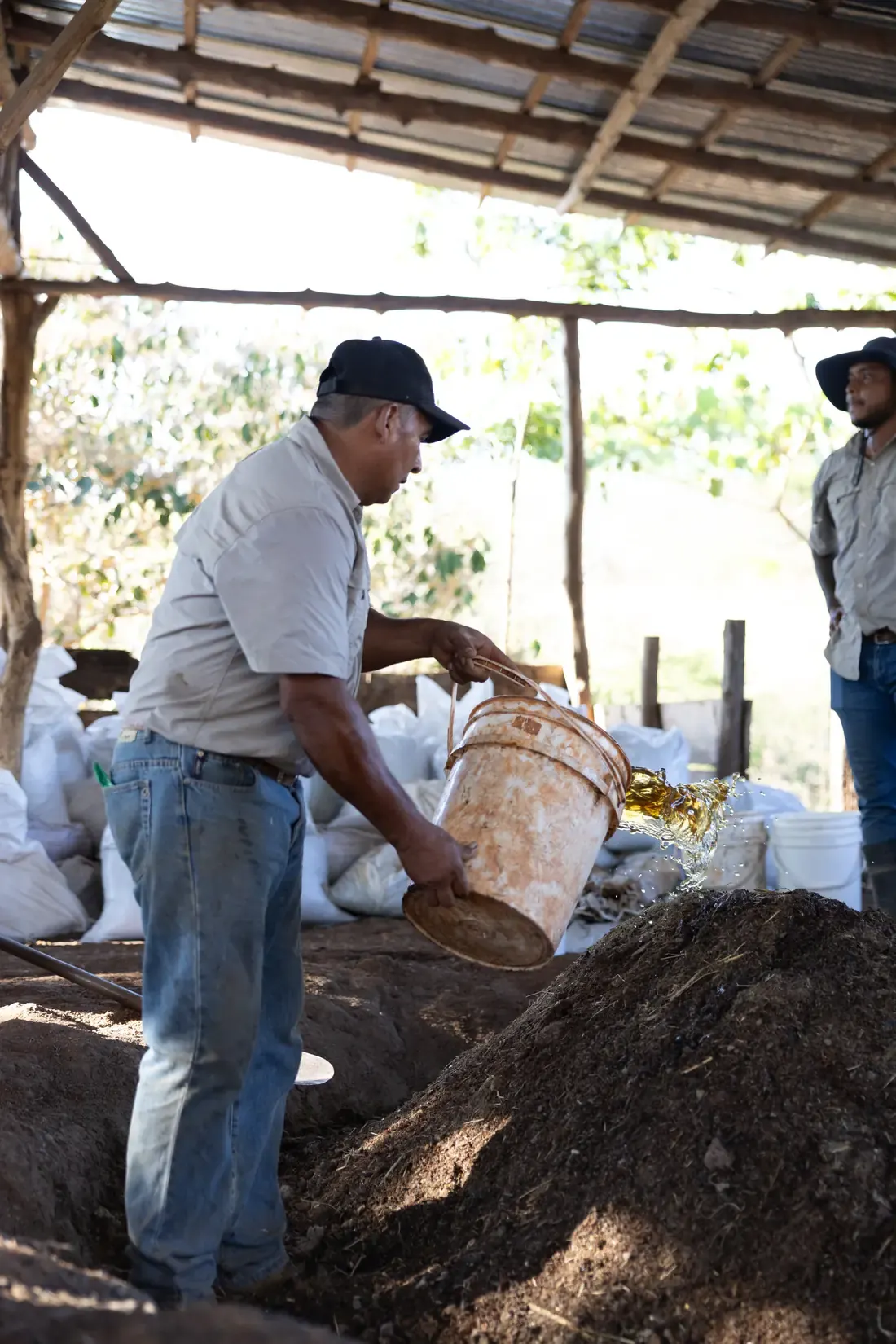 The bio-factory at Tierramor
Explore harvesting, pruning and layered planting across Tierramor's food production systems.
Javi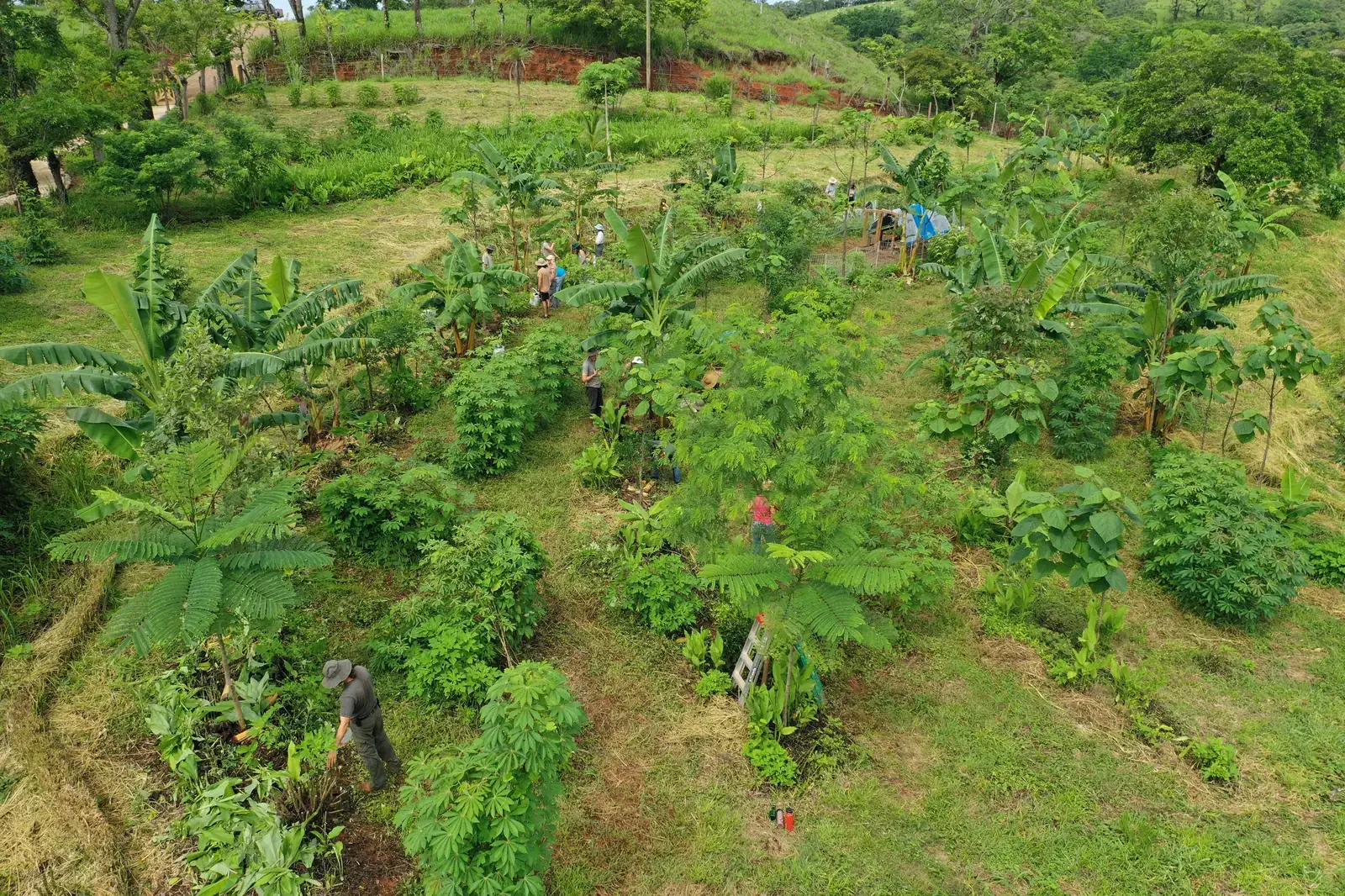 Agroforestry at Tierramor
Learn bahareque, natural plasters and finishes, and how earth can work alongside bamboo.
Ceci Coronado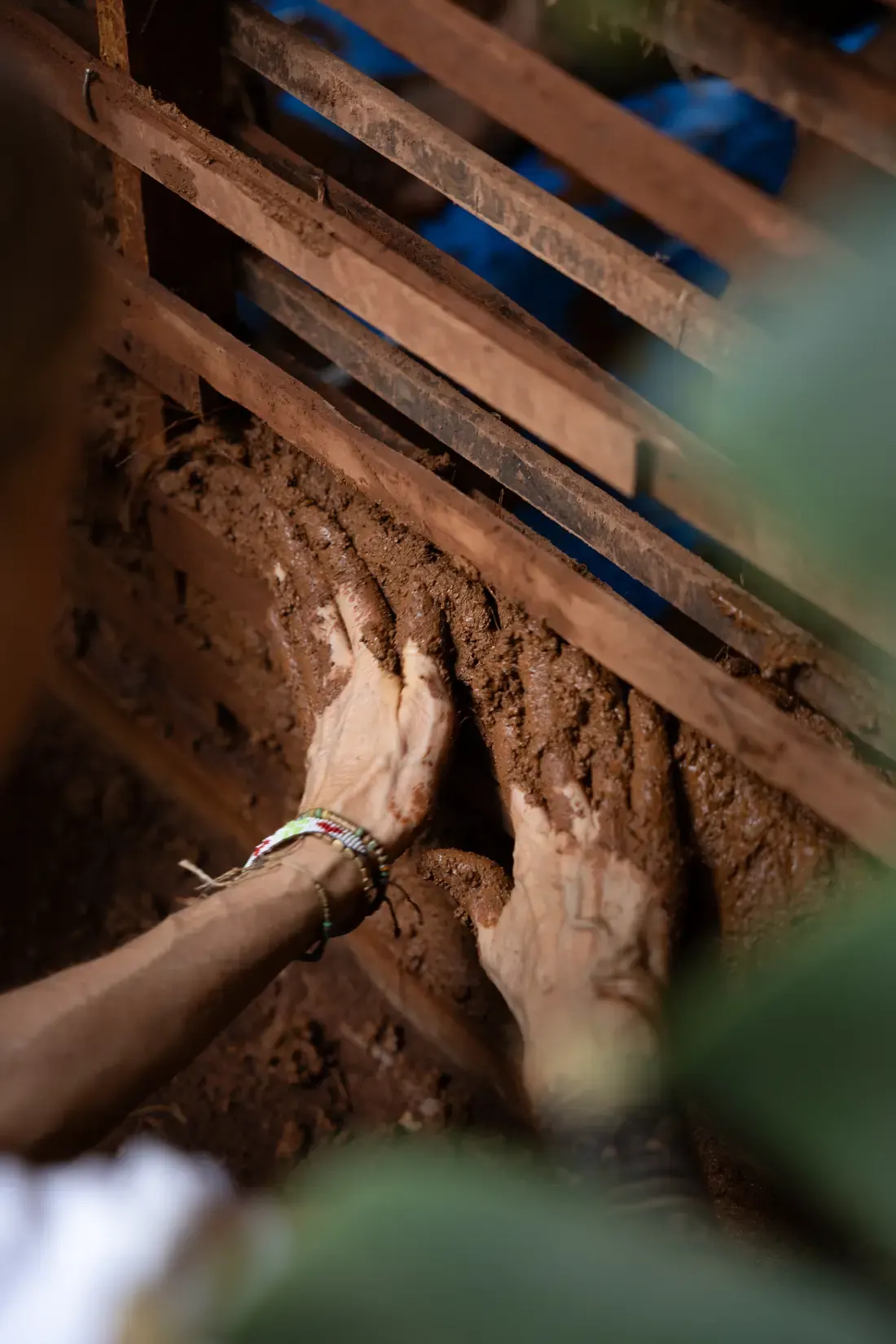 Bahareque at Tierramor
Explore farm-to-table cooking, earth and clay oven techniques, fermentation and Tierramor's signature pollo en zoquite.
Sergio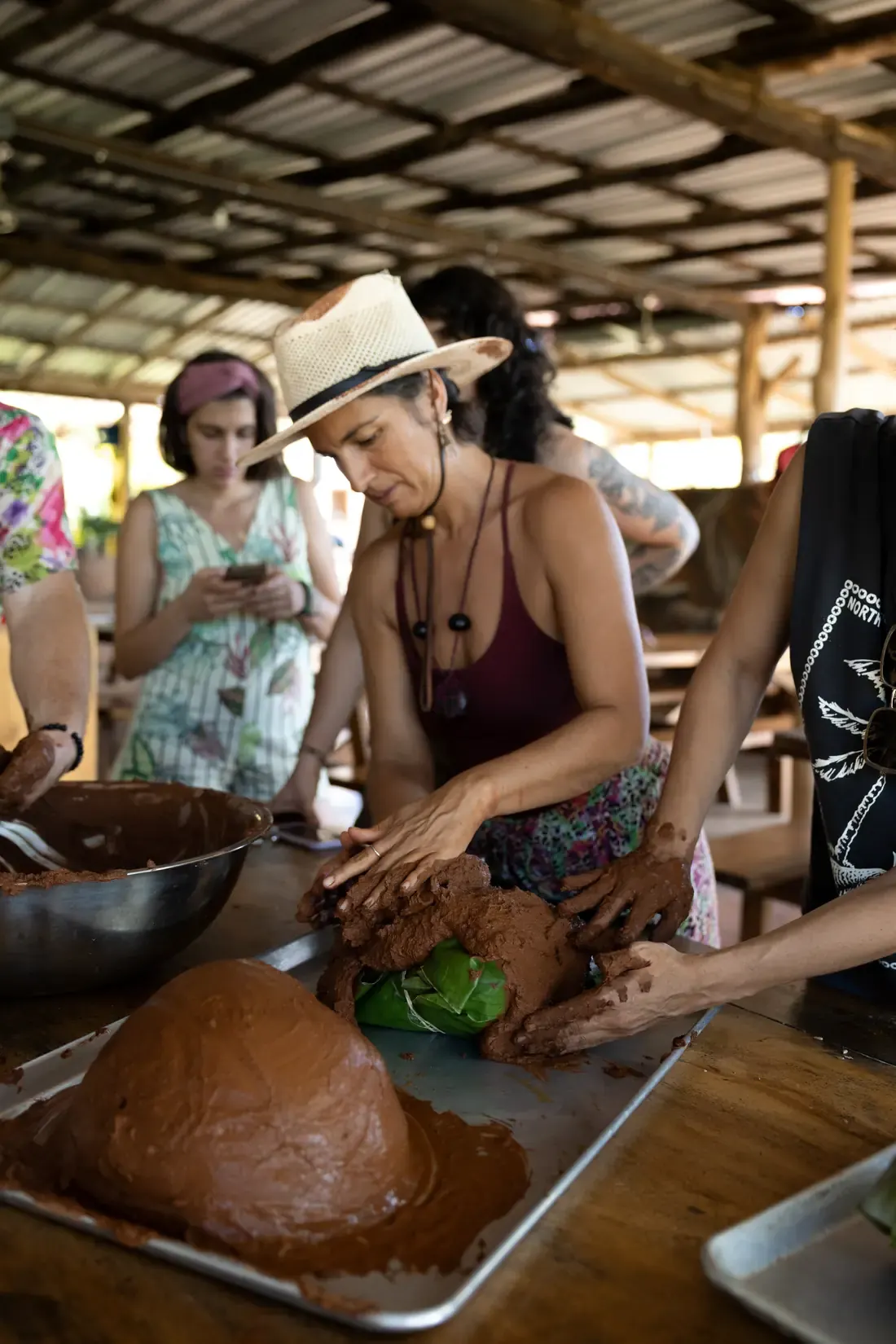 Pollo en zoquite, Tierramor
You'll learn by building with it.
You'll begin by understanding bamboo, then work with it at full scale.
With two Bamboo U carpenters from Bali working alongside the group, you'll experience the decisions, adjustments and problem-solving that happen when a design meets real material and landscape.
This is learning with your hands, not just about bamboo.
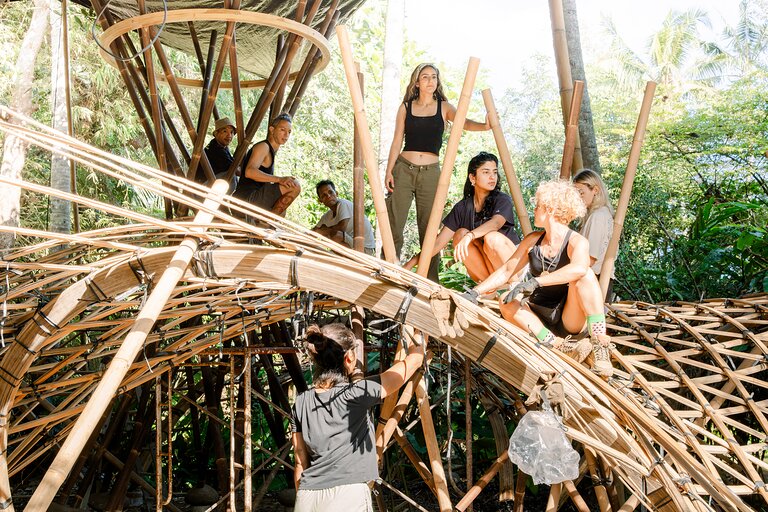 Bamboo U students building together, Bali
During the January program, the group will construct three buildings: an observatory deck, a farm shade and a temazcal.
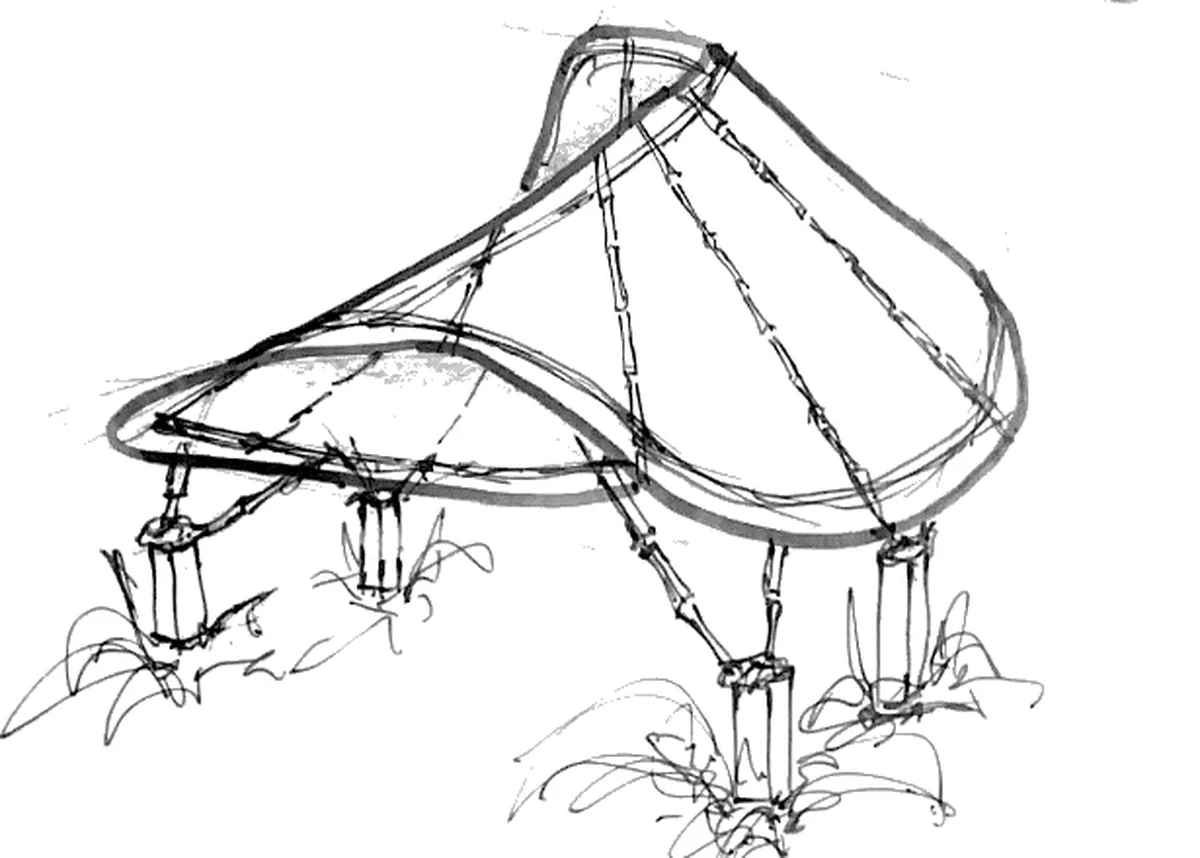
Tierramor · Nosara
Come to a place where the lessons don't stop when the workshop ends.
Walk through the farm. See how food is grown. Understand how organic waste becomes an input. Work with earth. Cook over fire. Observe how buildings, gardens, materials and people exist in relationship.
 The land at Tierramor
A day at Tierramor
 The communal table, Tierramor
A wooden standard casita on the land at Tierramor. Upgrades are available as an add-on through Tierramor.
Three farm-to-table meals a day, cooked from what the farm grows and shared at the communal table.
Limited to 25 students, with five facilitators and two Bamboo U carpenters on site.
17 casitas on the land at Tierramor.
Upgrades, available as an add-on through Tierramor
Every casita has a star-gazing tent, a ceiling fan and a bamboo shower.
For more details on the casitas, visit Tierramor's website
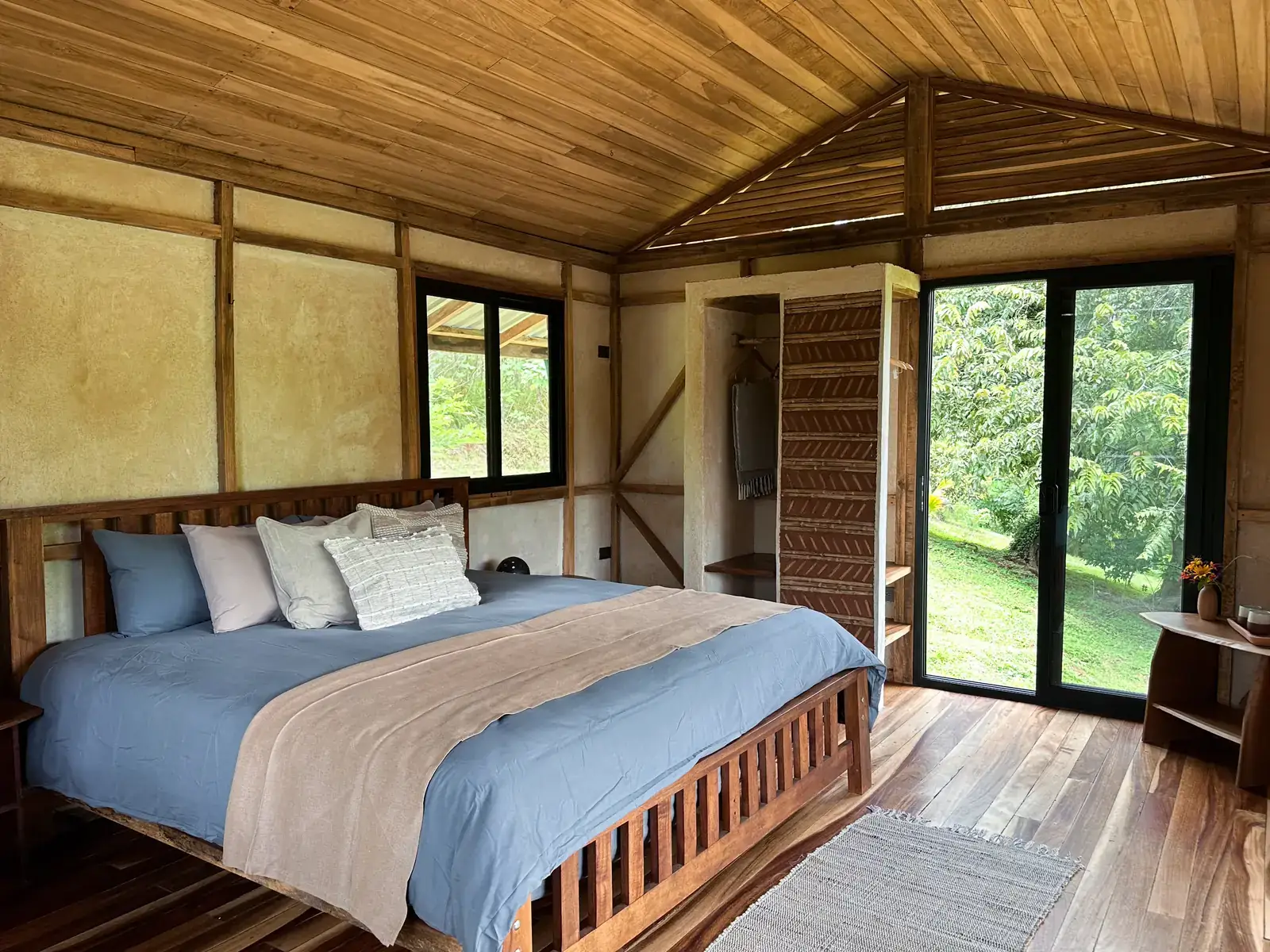 A wooden casita, Tierramor
Five facilitators. Five perspectives. One shared program.
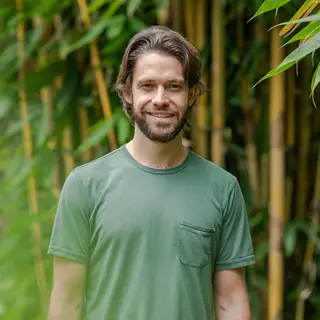
Bamboo design, construction and the broader vision behind Bamboo U.
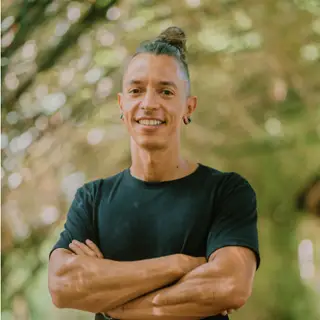
Structure, joinery, digital craftsmanship and bamboo construction.
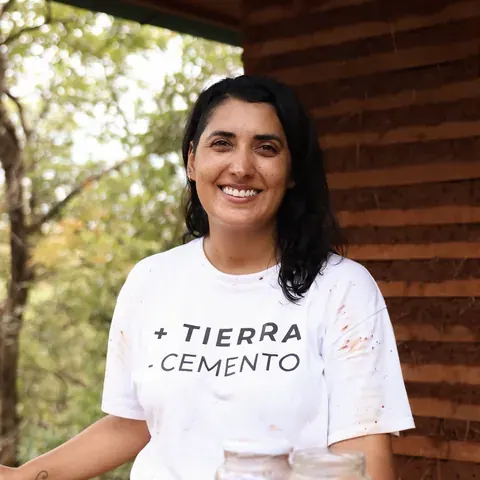
Earth, natural building and the relationship between earth and bamboo.
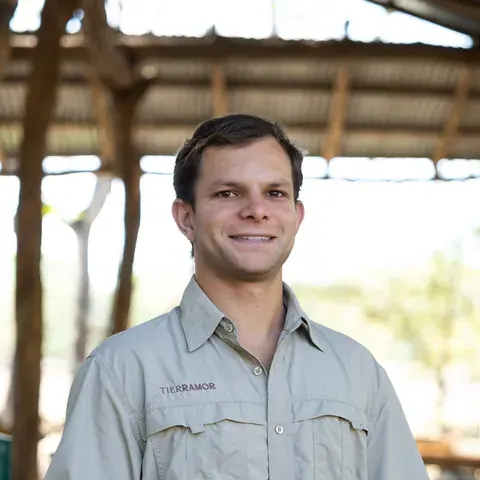
Agroforestry, harvesting, the productive landscape and the biofactory.
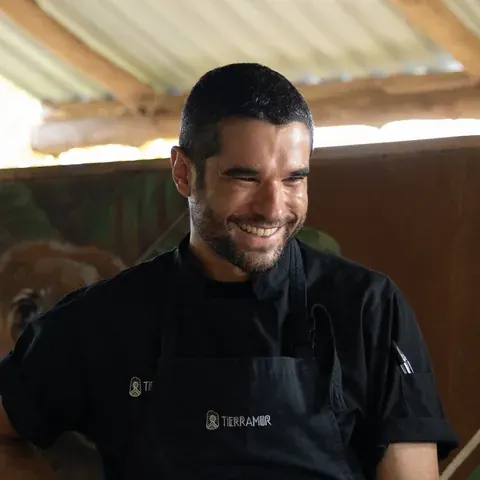
Food, fire, fermentation and farm-to-table cooking.
Be part of the first chapter.
This is Bamboo U's first program outside Asia.
You'll be one of 25 students experiencing this program for the first time: learning, building and helping shape what comes next.
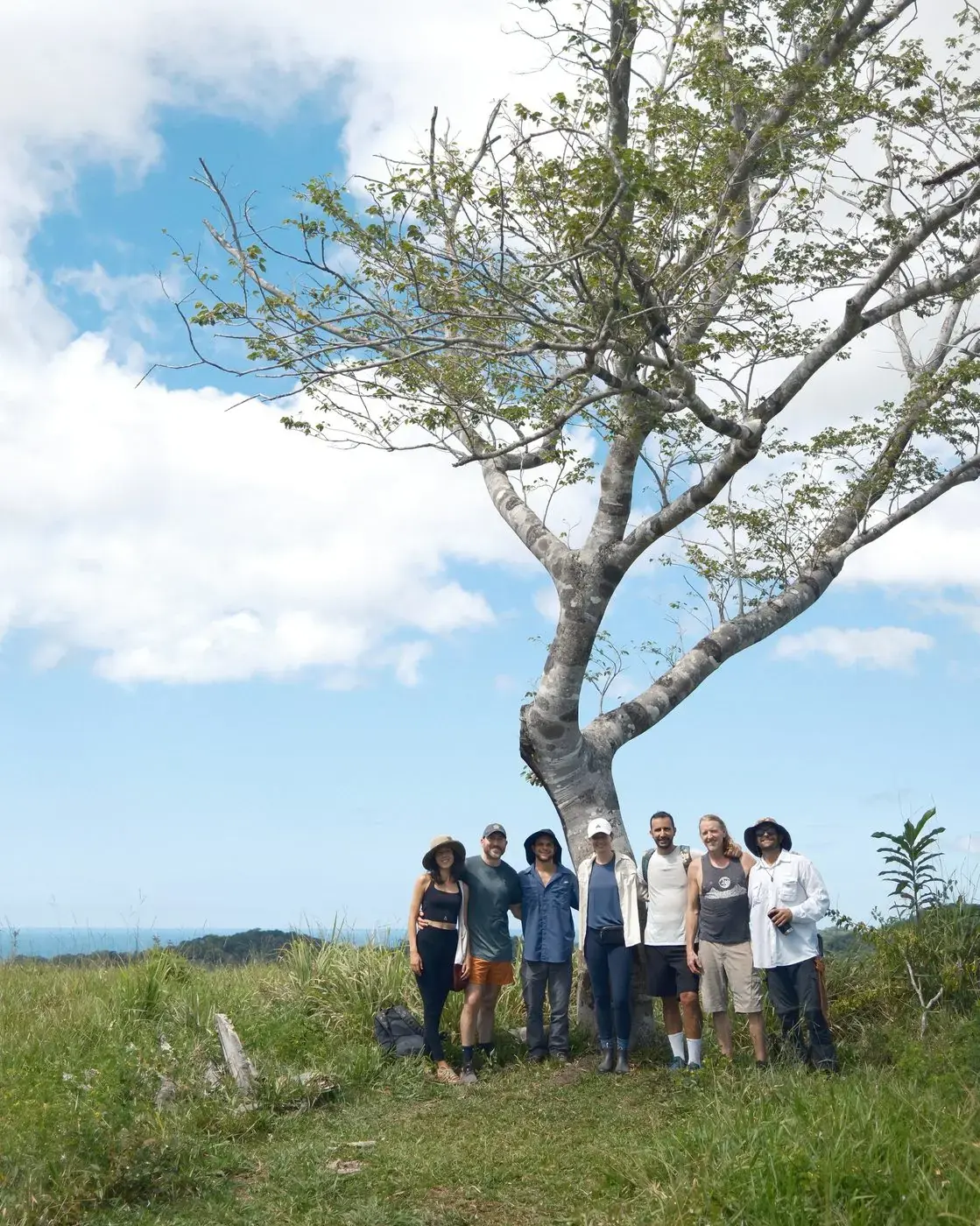
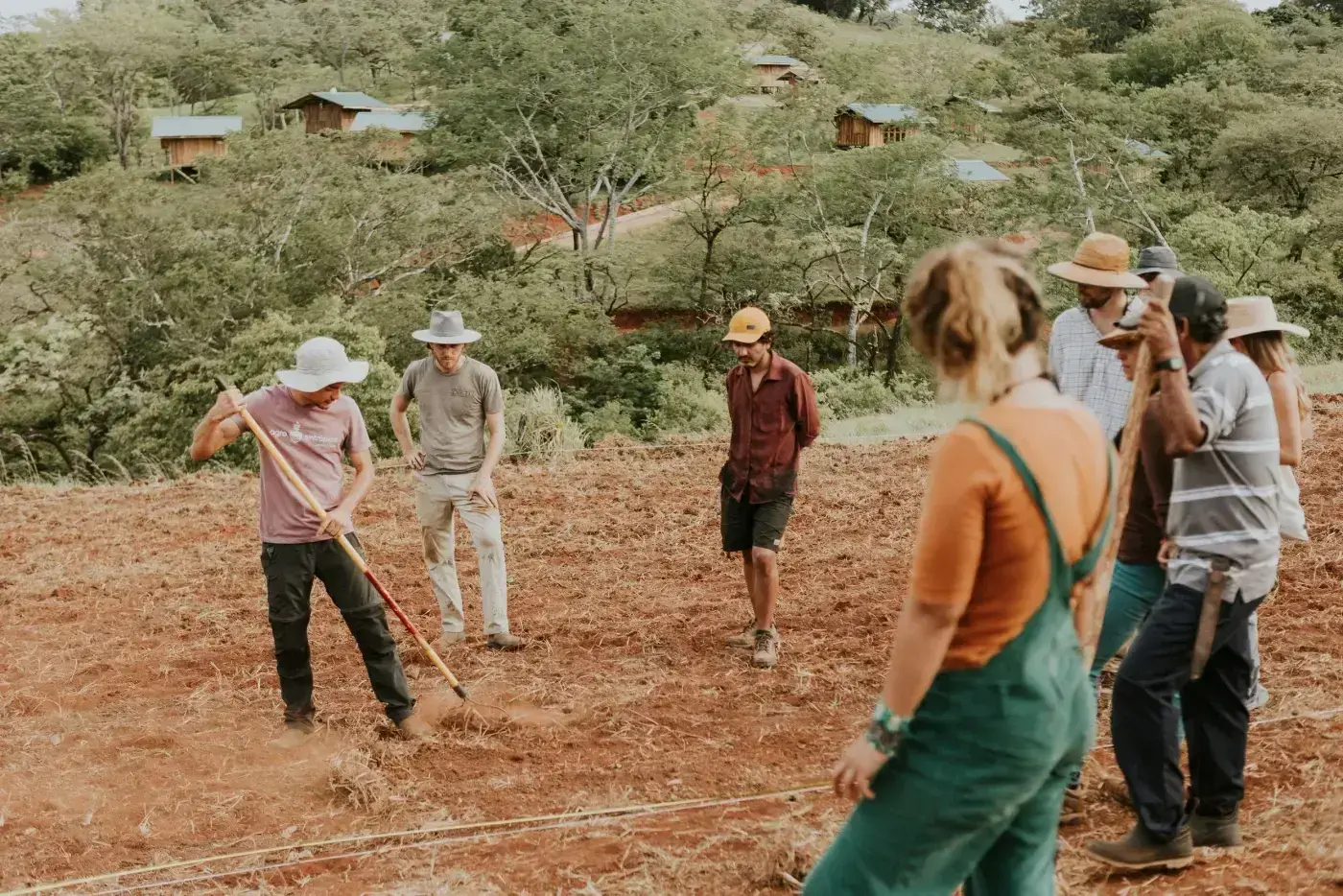 A course cohort on the land, Tierramor
Come curious. Leave more capable.
You don't need to be a bamboo expert.
You don't need years of construction experience.
You only need curiosity, openness and a willingness to learn by doing.
This program is for people who want to:
Develop practical experience working with bamboo and natural materials.
Understand the relationship between material, structure and place.
Discover approaches to regenerative building and living systems.
Meet architects, designers, builders, farmers, makers and people exploring new ways of working with the land.
Take new knowledge, questions and relationships into your own projects and context.
Eight days won't make you an expert in everything.
It will give you something more useful.
You'll leave with hands-on practice in:
And a way of thinking you can take beyond Tierramor:
Understand the material.Read the place.Build in response.
January 22 to 30, 2027
Tierramor · Nosara, Costa Rica
BAMBOO U × TIERRAMOR
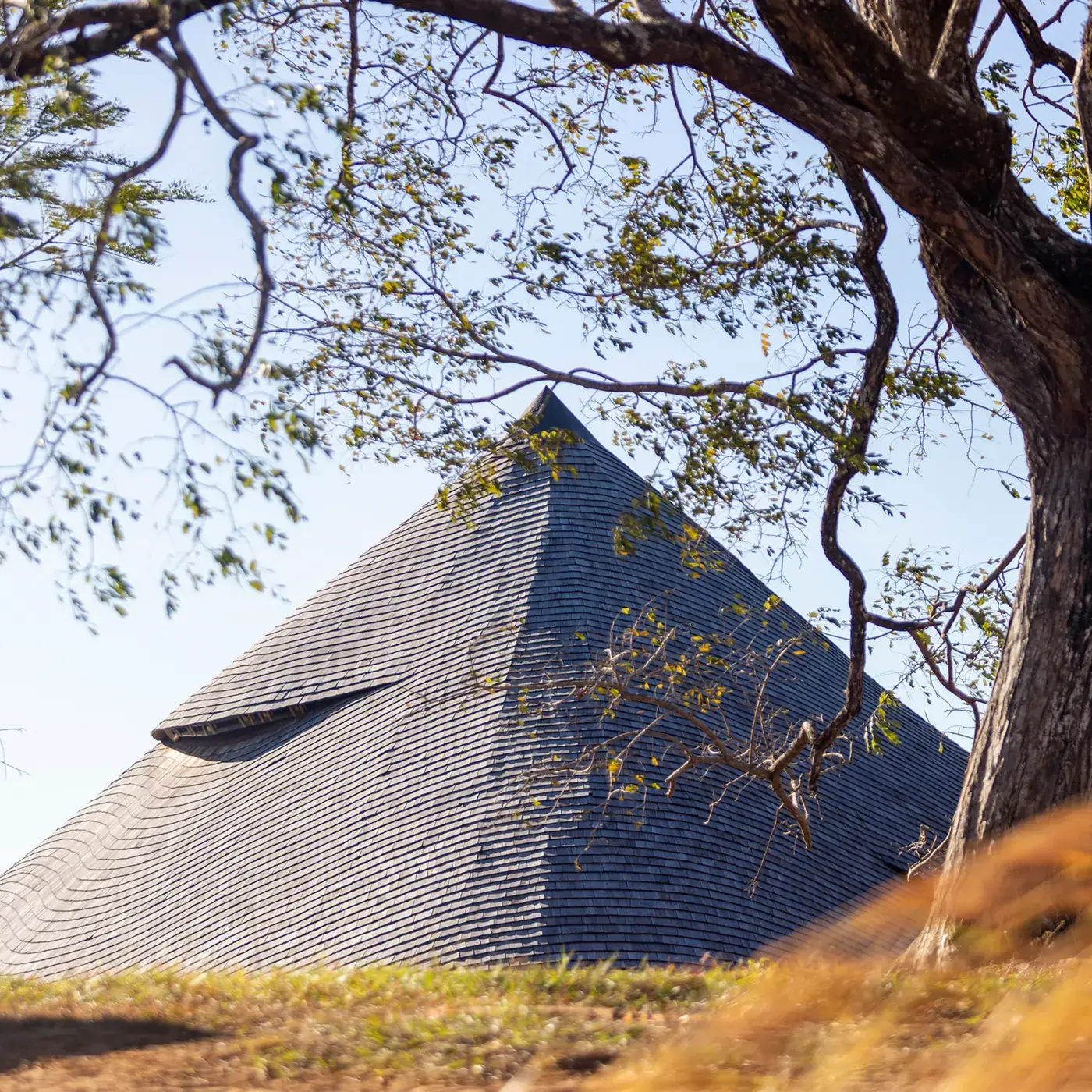 The maloca by IBUKU, Tierramor
The 14-page 2027 program: six modules, the day by day schedule and the three buildings. Tell us where to send it.